2018-Apr-23
Water Quality
Water quality issues fall into three categories:
- Water purity
- Recreational water quality
- Water Ecosystem
Water quality issues fall into three categories:
The US Department of Agriculture (USDA) has eased its requirements for dogs entering the country from Canada, following criticism from Canadian authorities, veterinarians and pet owners. Canadian authorities, pet owners, and veterinarians asserted that the previous requirements were too restrictive and would cause unnecessary delays at border crossings. New Requirements: Health certificates are no longer required for personal travel with dogs Rabies vaccination proof is still necessary, but can be in the form of a record from a licensed veterinarian (no specific timeframe mentioned) These eased requirements should facilitate smoother travel for dogs and their owners between Canada and the US. Read more here.
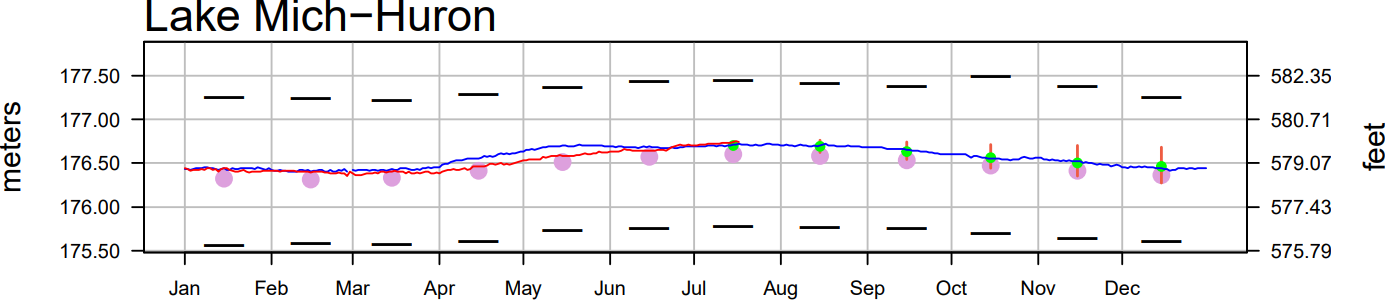
Lake Michigan-Huron remains at one inch above its level at this time last year. - From a month ago the water levels on Lakes Superior, Michigan-Huron, St Clair, Erie & Ontario & are up 3, 3, 4, 1 & 5 inches, respectively. Lakes Superior, & Ontario are lower by 6 & 4 inches, respectively, and Lakes Michigan-Huron, St Clair & Erie are up 1, 2 & 2 inches, respectively, than they were at this time last year. Lakes Superior, Michigan-Huron, St Clair, Erie & Ontario are 0, 5, 13, 11 & 1 inches, respectively, above their long-term July average. All the lakes remain well below their July record highs. - In a month’s time Lakes Superior is expected to rise 1 inch, and Lakes Michigan-Huron, St. Clair, Erie &
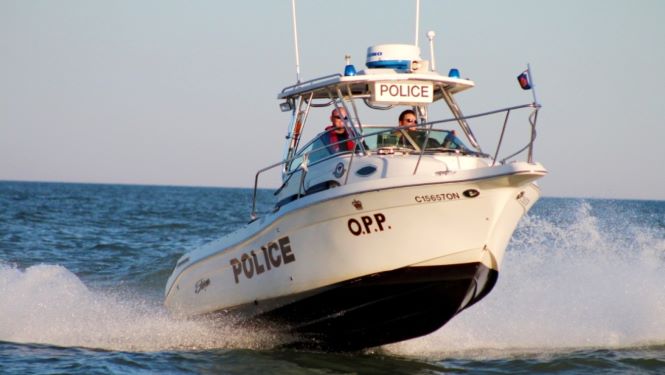
The sun is shining, the water is sparkling, and the open water is calling – but before you fire up the engine and hit the waves, make sure you're aware of the rules of the waterway! As a boater, it's essential to know what's legal and what's not to avoid getting caught off guard (and fined!). Cottage Life recently consulted with the OPP to get the lowdown on the top things people are fined for when out on the water. Here's what you should watch out for: No Life Jackets Ensure all passengers have access to a properly fitting, Canadian-approved life jacket while on board Potential fine for non-compliance: $200-$500 (plus 3 demerit points) Speeding Obey speed limits (day and night) and adjust speed according to water conditions Potential fin
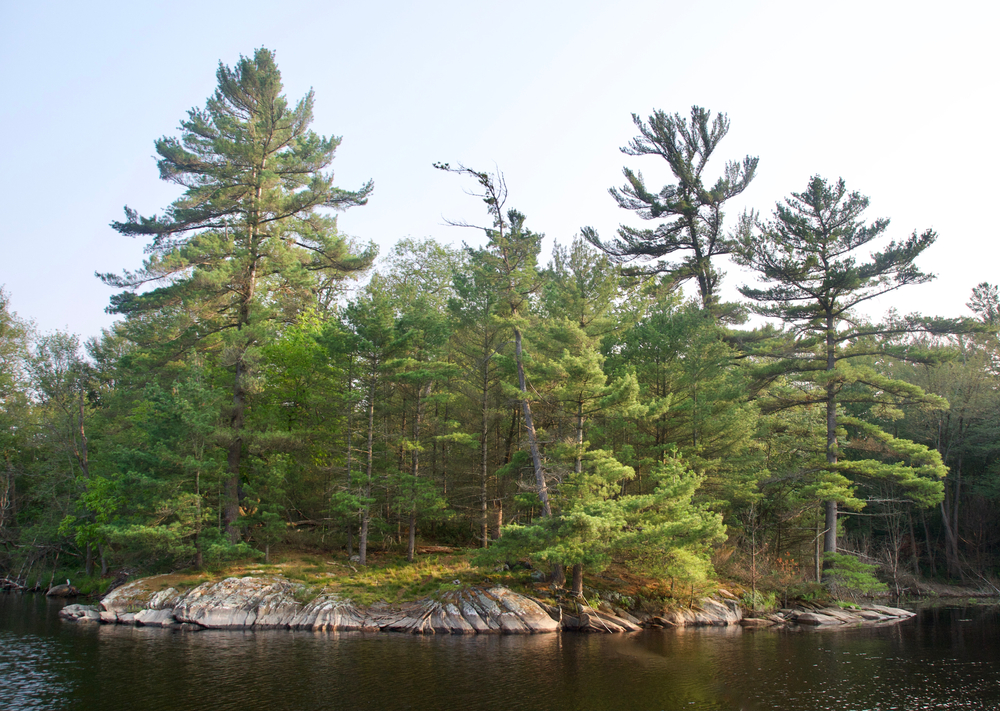
The Township of the Archipelago (ToA) has revised two draft by-laws to manage land and nature preservation following public comments on their earlier drafts. The Site Alteration by-law will manage alterations to the grade of land, changing drainage, and the removal or importation of soil and fill. The Tree Preservation by-law will protect our trees and native shoreline vegetation. - Council will be holding two open houses this summer to allow further public comment on these revised drafts: - In-Person at the Pointe au Baril Community Centre - Tuesday, August 13th at 2:00 pm Online via Zoom - Thursday, August 22nd at 6:00 pm Get more details on these bylaws and register for the open houses here.
Two recently circulated internal “Lunch and Learn” sessions for TC Energy have gone viral for exposing lobbying practices employed by the company to promote their interests. Among the practices described in the videos are: Using Indigenous leaders as “validators” to influence Canadian politicians Planting staff in events to ask politicians public questions Drafting briefing notes and persuading “underpaid and overworked” public servants to use them Meeting politicians in casual settings to blur personal and professional relationships Read more here.
From October 12 to December 11, 2023, Transport Canada (TC) held online consultations to give people the opportunity to comment on the proposed approach to modernize the Vessel Operation Restriction Regulations (VORRs) and to find out what Canadians thought about managing vessels that anchor long-term on shared waterways. This is what TC heard from you: On the modernization of the Vessel Operation Restriction Regulations (VORRs) TC received 2,052 comments from Canadians across the country, including members of the public; recreational boaters; boating safety advocates; marine stakeholders; businesses; local authorities; non-governmental organizations; and associations (like lake associations, environmental protection associations, and marine industry associations). It should be not
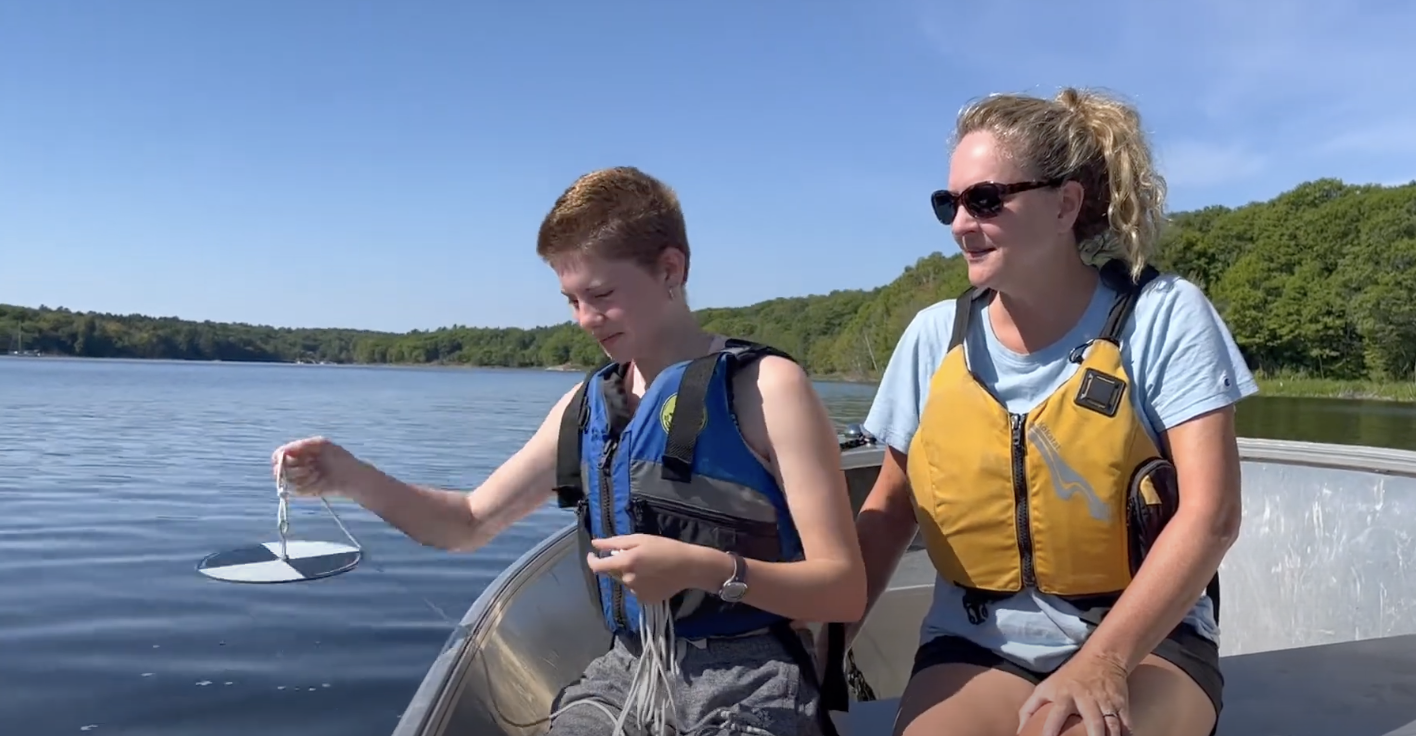
A new study is recommending the application of human health care approaches to lake health. Like humans, lakes are living systems that can suffer from a number of health issues. Regular screenings, similar to human checkups, including testing water samples or installing sensors could help detect problems early and prevent them from becoming critical or chronic issues. The Lake Partner Program is a simple way you can help monitor Bay health The Lake Partner Program (LPP) is a province-wide, volunteer-based, water-quality monitoring program. We, as citizen scientists, have the potential to contribute to the province-wide sampling effort that generates annual snapshots of important water quality parameters for free. These include phosphorus (a nutrient required by algae
The Georgian Bay Land Trust is looking for someone with exceptional leadership skills, knowledge of the conservation field, and passion for the Georgian Bay environment to lead the organization after current Executive Director, Bill Lougheed, retires at the end of this year. If you or someone you know might be interested, please review the job ad here, and contact Charles Lennox at cmlennox@mandrake.ca or 416-922-5600 x246 to learn more about the opportunity.
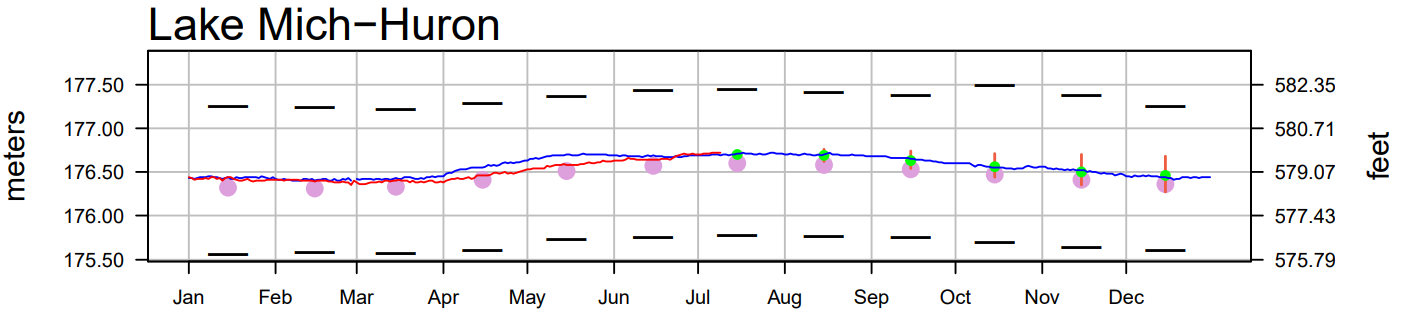
Lake Michigan-Huron remains at one inch above its level at this time last year. - From a month ago the water levels on Lakes Superior, Michigan-Huron, St Clair, Erie & Ontario are up 5, 4, 4, 1 & 1 inches, respectively. Lakes Superior & Ontario are lower by 6 & 7 inches, respectively, and Lakes Michigan-Huron, St Clair & Erie are up 1, 2 & 2 inches, respectively, than they were at this time last year. Lakes Superior, Michigan-Huron, St Clair & Erie are 0, 5, 13 & 11 inches, respectively, above their long-term July average, and Lake Ontario is 2 inches below. All the lakes remain well below their July record highs. - In a month’s time Lakes Superior & Michigan-Huron are expected to rise 1 & 0 inches,
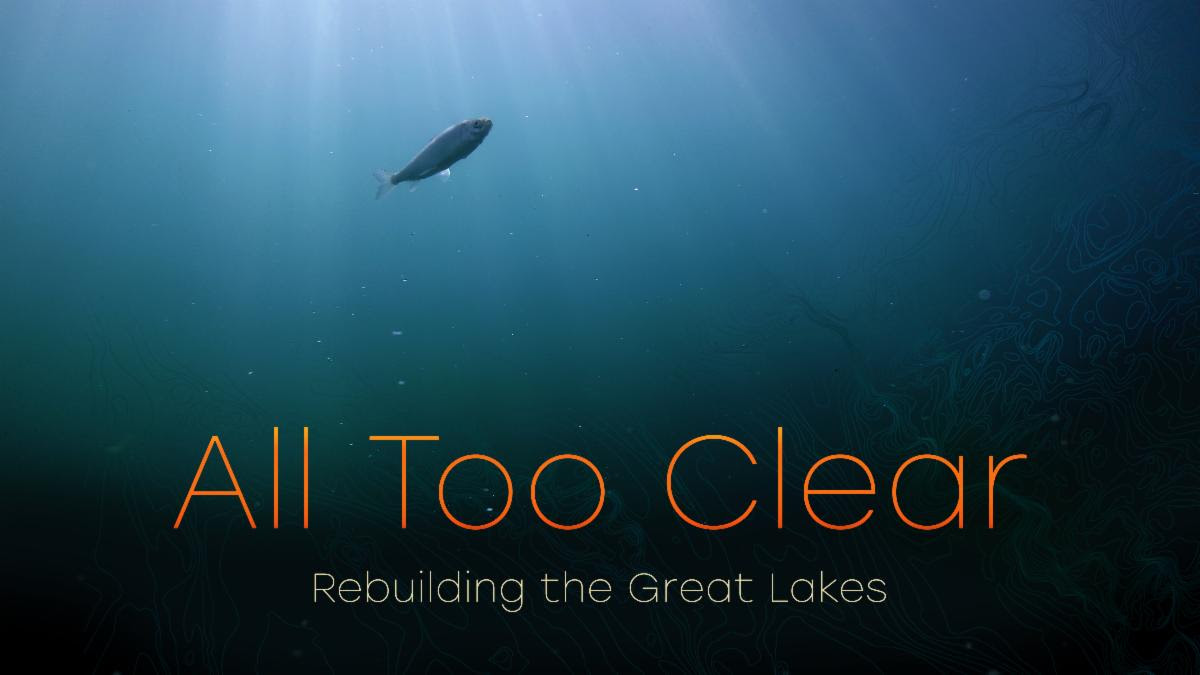
Georgian Bay Forever and Georgian Bay Mnidoo Gamii Biosphere are pleased to present the premiere of the documentary film All Too Clear: Beneath the Surface of the Great Lakes on Saturday, August 10, 2024 at the Stockey Centre for the Performing Arts in Parry Sound. This immersive feature-length documentary explores the effects of quagga mussels on the Great Lakes using the world’s most advanced underwater drone. Directed by the husband-and-wife filmmaking team, Zach Melnick and Yvonne Drebert, the immersive film uses cutting-edge underwater drones to explore how invasive quagga mussels are re-engineering the ecosystem of the Great Lakes at a scale not seen since the glaciers. The film will be followed by a Q & A period where guests will have the opportunity to ask questions of
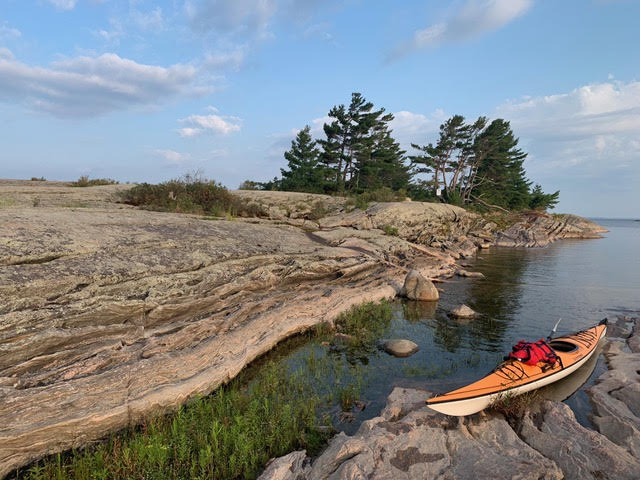
The voices of Georgian Bay Association members are needed for an important survey. The GBA board has agreed to distribute the survey described below to GBA members, including asking our cottage association members to include a link to it in their communications with their members. Please see the following message from the Geopark group explaining their request. Message from the Georgian Bay Geopark Network A team of volunteers is working to create a UNESCO Geopark for all of Georgian Bay and the lands that drain into the Bay. Our small group of volunteer scientists, cartographers, tourism experts and engineers have gained strong and positive reaction from the towns and villages, municipal councils, indigenous leaders, tourist groups and environmental organizations for a UNESCO G