2018-Apr-18
Fisheries
Learn More About
- Aquaculture
- Invasive Species
- Native Fisheries
Sponsored by:

The Ontario government has introduced legislation to accelerate the widening of Highway 69 between Parry Sound and Sudbury. If passed, the Building Highway 69 Faster Act will allow the province to finish the widening project up to five years ahead of schedule by establishing a project-specific environmental assessment framework built on the environmental work already completed. This would allow eligible work to proceed sooner, while maintaining environmental oversight and fulfilling the province's duty to consult with Indigenous communities. The proposed changes, which are similar to the measures introduced to speed up construction of Highway 413, are part of the government's plan to improve highway safety in northern Ontario and support economic growth in the region. To date, Ontari
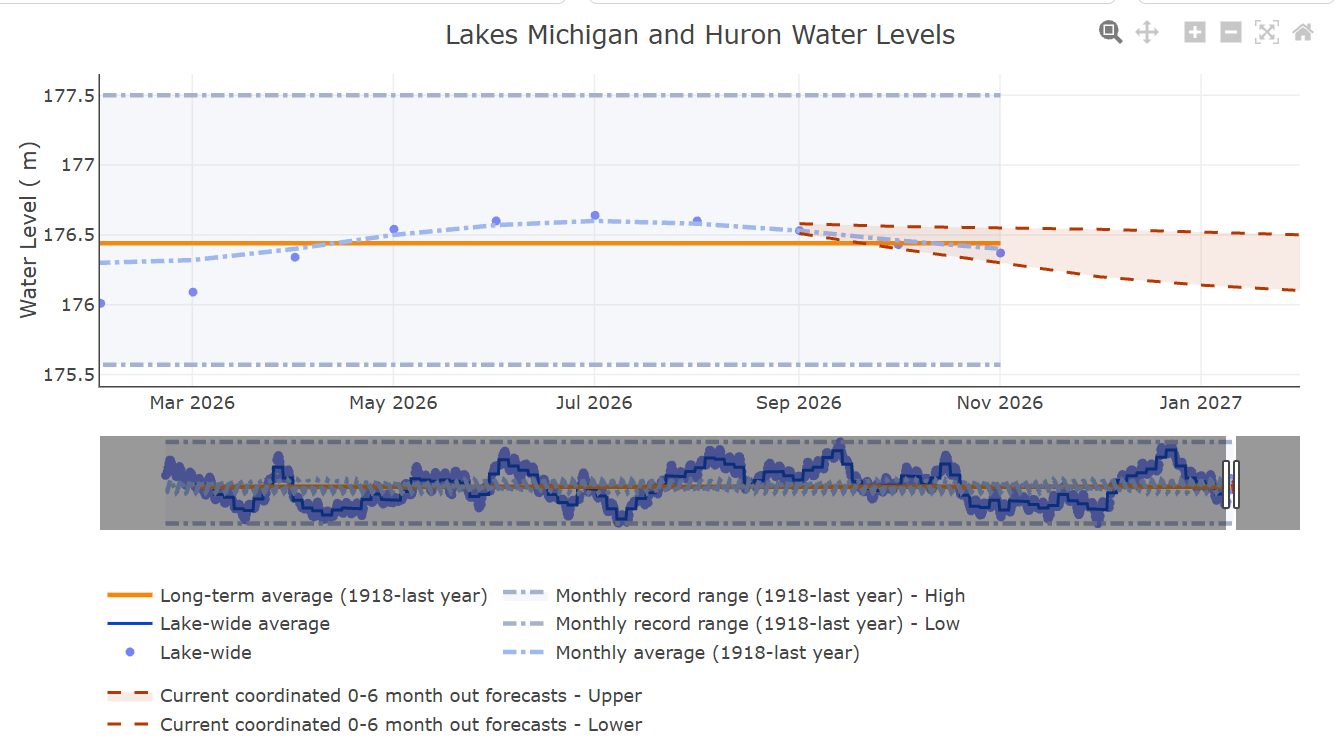
Lake Michigan-Huron is currently 8 inches higher than at this time last year, though seasonal declines are underway across all the Great Lakes. Month-over-Month & Year-over-Year Comparisons Compared to Last Month: Lake Superior: Same Lake Michigan-Huron: Down 4″ Lake St. Clair: Down 7″ Lake Erie: Down 3″ Lake Ontario: Down 7″ Compared to Last Year: Lake Superior: Up 2″ Lake Michigan-Huron: Up 8″ Lake St. Clair: Up 7″ Lake Erie: Up 6" Lake Ontario: Up 8″ Long-Term October Averages: Lake Superior sits 1″ below its historic October average, while Michigan-Huron is 1″ below. Lake St. Clair (+5″), Erie (+6″), and Ontario (+7″) remain above their long-term averages. However, water levels across all the
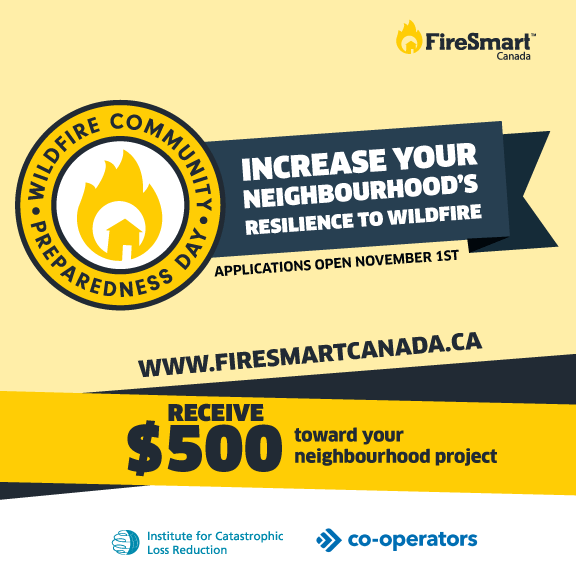
Observed each year on the first Saturday in May, Wildfire Community Preparedness Day is an annual campaign that encourages residents to take action to increase their home, neighbourhood, and community’s resilience to wildfire. - FireSmart™ Canada—in collaboration with the National Fire Protection Association (NFPA), the Institute for Catastrophic Loss Reduction (ICLR), Co-operators, and provincial/territorial wildfire agencies—is once again offering $500 grants to support your local efforts. - Groups can apply now for a $500 award to fund a wildfire prevention event or project taking place any time between May and October 2027. In 2026, 366 neighbourhoods across Canada were awarded funding—including several around Georgian Bay—so don’t miss your chance to participate
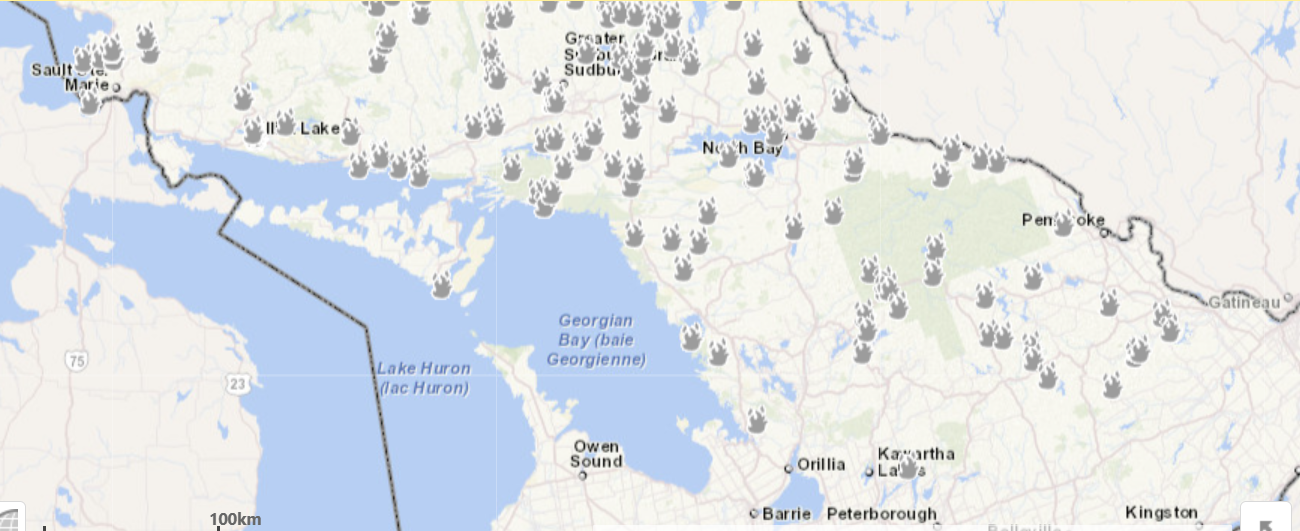
Ontario’s official wildfire season came to an end on October 31. According to season-end data, 818 wildland fires burned 748,736 hectares in Ontario’s Fire Region between April 1 and October 31. In the province’s final October 30 update, no active fires were burning in the Northeast, while nine remained in the Northwest— well northwest of Thunder Bay (four under control and five under observation). The end of the official season marks a key transition for fire regulation, but it does not mean every fire is extinguished. Wildfires around Georgian Bay in 2026 What changes after October 31? The end of the official season is a regulatory shift, not a green light for unrestricted burning. On November 1, provincial outdoor-burning rules tied to the fire season expire, transfe
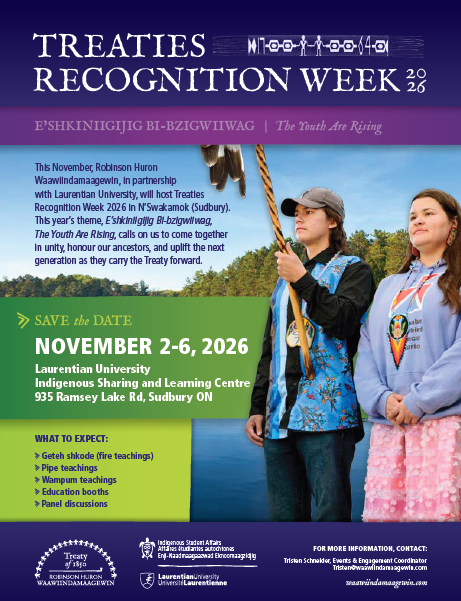
Robinson Huron Waawiindamaagewin (RHW) is inviting community members to participate in Treaties Recognition Week 2026. Under the theme "E’shkiniigijig Bi-bzigwiiwag: The Youth Are Rising," RHW's virtual programming offers a space for treaty education, honoring ancestors, and strengthening Nation-to-Nation relationships across the territory and beyond. Take time this week to learn with RHW to deepen your understanding of treaty rights, history, and shared responsibilities. - The week features: - Educational Presentations: Discussions focused on treaty history, public awareness, and intergenerational learning. - Cultural & Youth Programming: Sessions highlighting traditional teachings, youth leadership, and treaty responsibilities. - Download the program
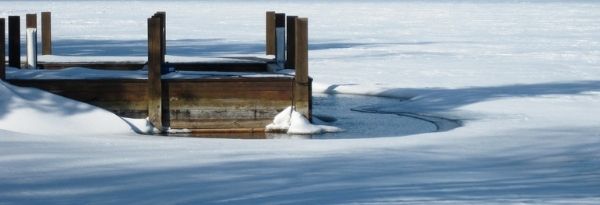
With winter around the corner, many waterfront property owners turn to bubbler systems to shield docks and boathouses from shifting ice. While these de-icing systems can prevent structural damage, they can also create open water and thin ice that are dangerous to winter lake users. Owning a bubbler comes with significant responsibilities. If you currently use or are considering installing a bubbler system, understanding your legal duties, liability risks, and operational best practices is essential to protect both your property and your community. What Is a Bubbler? A bubbler circulates warmer deep water to the surface, preventing ice formation around waterfront structures. However, unmanaged systems can create surprisingly large zones of open water or weak ice. These hazards are o
Municipal elections across cottage country have concluded, shaping local government for the next four years. GBA would like to extend sincere congratulations and thanks to everyone who stepped up to run for office. Putting your name on the ballot takes immense dedication to public service, and local communities are stronger for your commitment. - Election Results Breakdown: Township of Georgian Bay Mayor: Peter Koetsier (Elected) District Councillor (Wards 1 & 3): Laurie Russell (Elected) - District Councillor (Wards 2 & 4): Rod Northey (Acclaimed) Ward 1 Councillor: Steven Predko (Acclaimed) Ward 2 Councillor: Stephen Jarvis (Acclaimed) Ward 3 Councillor: Kristian Graziano (Acclaimed) Ward 4 Councillor: Darren Deme
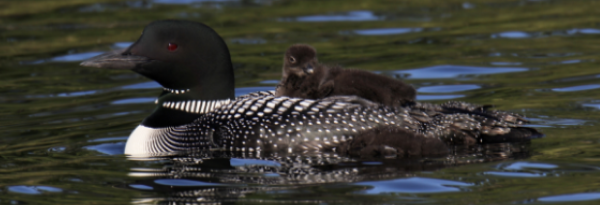
Canada is home to 94% of the global common loon population, but a new study published in the journal FACETS reveals an alarming drop in loon chick survival across North America over the last 30 years. - In Ontario, loon breeding success has dropped by 40% over the last three decades—meaning far fewer chicks are making it to adulthood. The declines are even steeper in the prairie provinces (down 65%) and Atlantic Canada (down 74%). - The study analyzed breeding data from over 3,000 lakes spanning more than thirty years. Over half the data originated from the Canadian Lakes Loon Survey, a long-running citizen science program managed by Birds Canada. - While loons have historically faced threats from DDT, lead fishing sinkers, and mercury toxicity, researchers attribute the current de

Lake Michigan-Huron is currently 6 inches higher than at this time last year, though seasonal declines are underway across all the Great Lakes. Month-over-Month & Year-over-Year Comparisons Compared to Last Month: Lake Superior: Down 3″ Lake Michigan-Huron: Down 4″ Lake St. Clair: Down 8″ Lake Erie: Down 6″ Lake Ontario: Down 9″ Compared to Last Year: Lake Superior: Down 2" Lake Michigan-Huron: Up 6″ Lake St. Clair: Up 8″ Lake Erie: Up 6″ Lake Ontario: Up 10″ Long-Term October Averages: Lake Superior sits 5″ below its historic October average, while Michigan-Huron is 3″ below. Lake St. Clair (+4″), Erie (+4″), and Ontario (+7″) remain above their long-term averages. However, water levels across
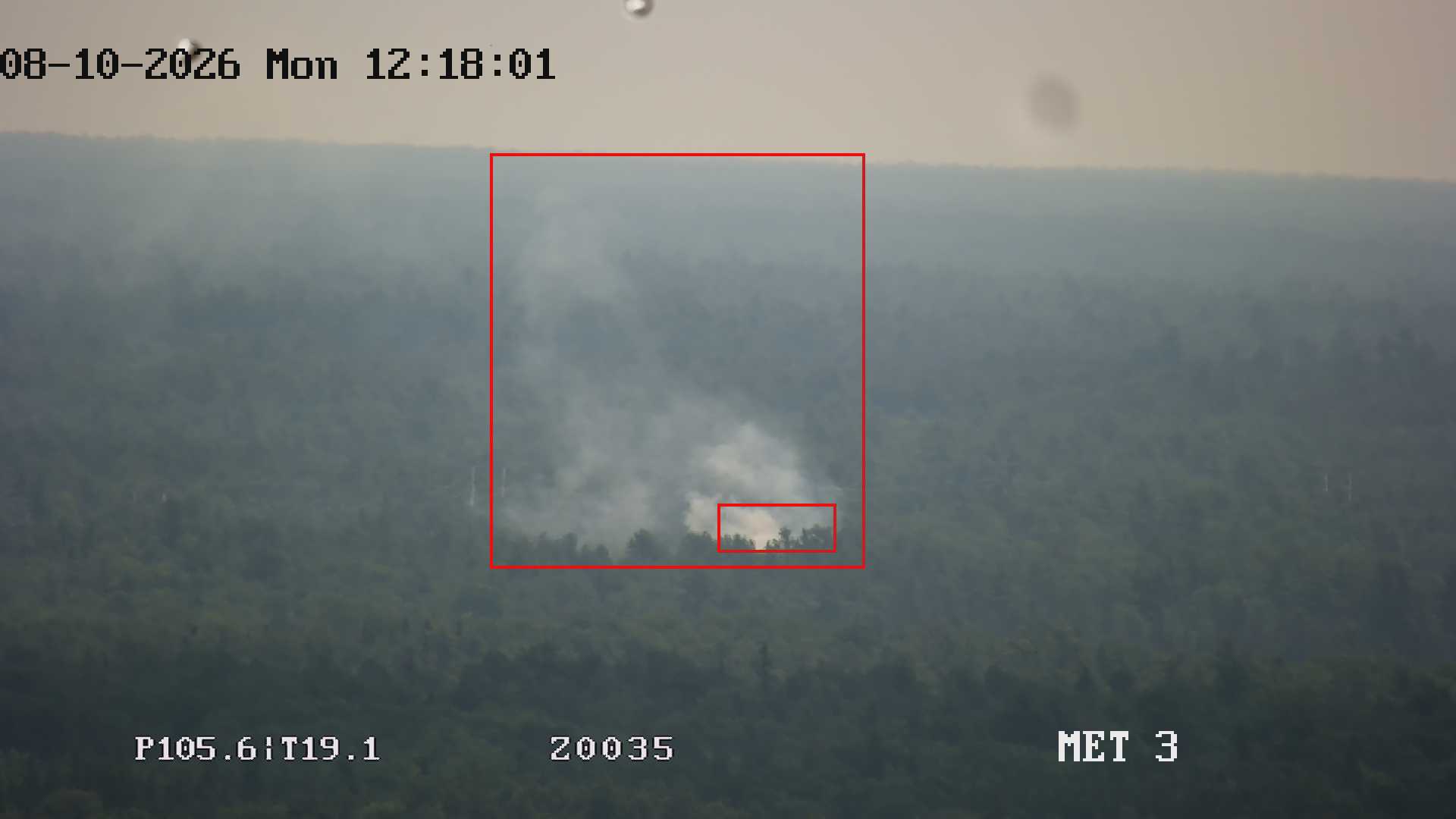
On August 10, at approximately 12:30 PM, a three-camera Fire Watch system—installed on meteorological towers at Pattern Energy's Henvey Inlet Wind Farm—flagged smoke rising in the forest near a transmission line, roughly six kilometres outside its monitoring perimeter. Pattern Energy personnel immediately dialed 911 and alerted two local fire departments. Neither 911 nor local emergency services had received any prior reports about the fire—meaning the Fire Watch system provided the advance warning needed to contain the forest fire before it could spread. The Ministry of Natural Resources (MNR) responded rapidly, deploying a firefighting helicopter to drop retardant over the site while ground crews mobilized. According to forestry and emergency management evaluations on automa
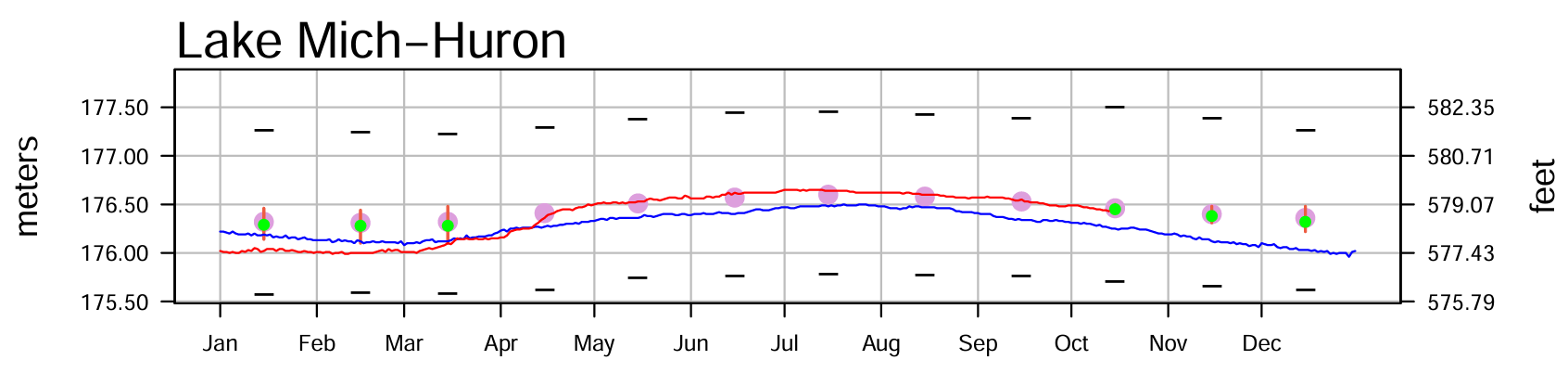
Lake Michigan-Huron is currently 7 inches higher than at this time last year, though seasonal declines are underway across all the Great Lakes. Month-over-Month & Year-over-Year Comparisons Compared to Last Month: Lake Superior: Down 2″ Lake Michigan-Huron: Down 4″ Lake St. Clair: Down 5″ Lake Erie: Down 5″ Lake Ontario: Down 11″ Compared to Last Year: Lake Superior: Same Lake Michigan-Huron: Up 7″ Lake St. Clair: Up 7″ Lake Erie: Up 5″ Lake Ontario: Up 12″ Long-Term October Averages: Lake Superior sits 3″ below its historic October average, while Michigan-Huron is 1" below. Lake St. Clair (+6″), Erie (+5″), and Ontario (+9″) remain above their long-term averages. However, water levels across all

Fall is here, which means less daylight and usually a sharp spike in wildlife-related collisions on our roads. Autumn triggers intense seasonal behaviours. While deer and moose enter into their annual mating season, black bears and small mammals are aggressively foraging for food before winter hibernation, and cold-blooded turtles and snakes may pull onto sun-warmed asphalt shoulders in the late afternoon to gather heat. With peak animal activity occurring at dawn and dusk, staying vigilant on northern roads is crucial. Province-wide data show that Ontario records 10,000 to 14,000 wildlife collisions every year, with peak activity from October through December. White-tailed deer account for the vast majority of these incidents as they travel more frequently during mating season and